It’s well-documented that wealth in the U.S. has been accumulated through the extraction of Native lands, resources, and people without return or repair. Much of that wealth now sits in foundations and donor advised-funds, with less than 0.4% going to Native communities.
The impacts of this harm can be felt today and are crucial to our understanding of how philanthropy can move in deeper alignment with Native communities. Native leaders have long called for long-term, relational commitments that honor the sovereignty and wisdom of Native communities. At Magic Cabinet, we are answering this call by partnering with Native intermediaries.
Engaging with Native intermediaries was novel and necessary for our growth
When we began our outreach to Native organizations, we approached it the same way we do with any new community: we identified a funding gap and sought community input. Initial conversations with Native leaders revealed that while our efforts to fund Native nonprofits were well intentioned, and our capacity-building framework was novel, it didn’t take into account Indigenous cultures, wisdom, and ways of being.
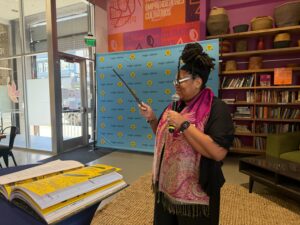
With this information in mind, we went back to the drawing board and did what we do best—convened the community. We held a Listening Forum in the Bay Area to hear from Native leaders and organizers on how we could show up in right relationship with Native communities. It was in this space that we learned a valuable lesson: instead of approaching Native organizations with a predetermined agenda, we needed to slow down, listen first, and build with the community.
The Listening Forum also encouraged us to pause and reflect on whether our approach was helpful or potentially harmful to Native organizations we hoped to partner with. Did it truly center community needs? Was it aligned with how we wanted to show up as a funder?
It was the first step in our pivot down a new path, one more aligned with our values and more reflective of the shifts we aimed to see in the sector. Namely, philanthropy stewarding resources in a way that is more relational and responsive to what Native communities are asking for.
What becomes possible when non-Native funders partner with Native intermediaries
Initially, there was a lot for our team to unpack, especially around what it means to build trust and be in an authentic relationship with community partners. Our model prioritized being in proximity to community and funding directly as the only way to do this work. But was it?
At the time, we didn’t have much experience working with intermediaries, and concerns surfaced that working with a Native intermediary would take us further from the organizations we hoped to fund. In reality, it brought us closer to the community than we had been before.
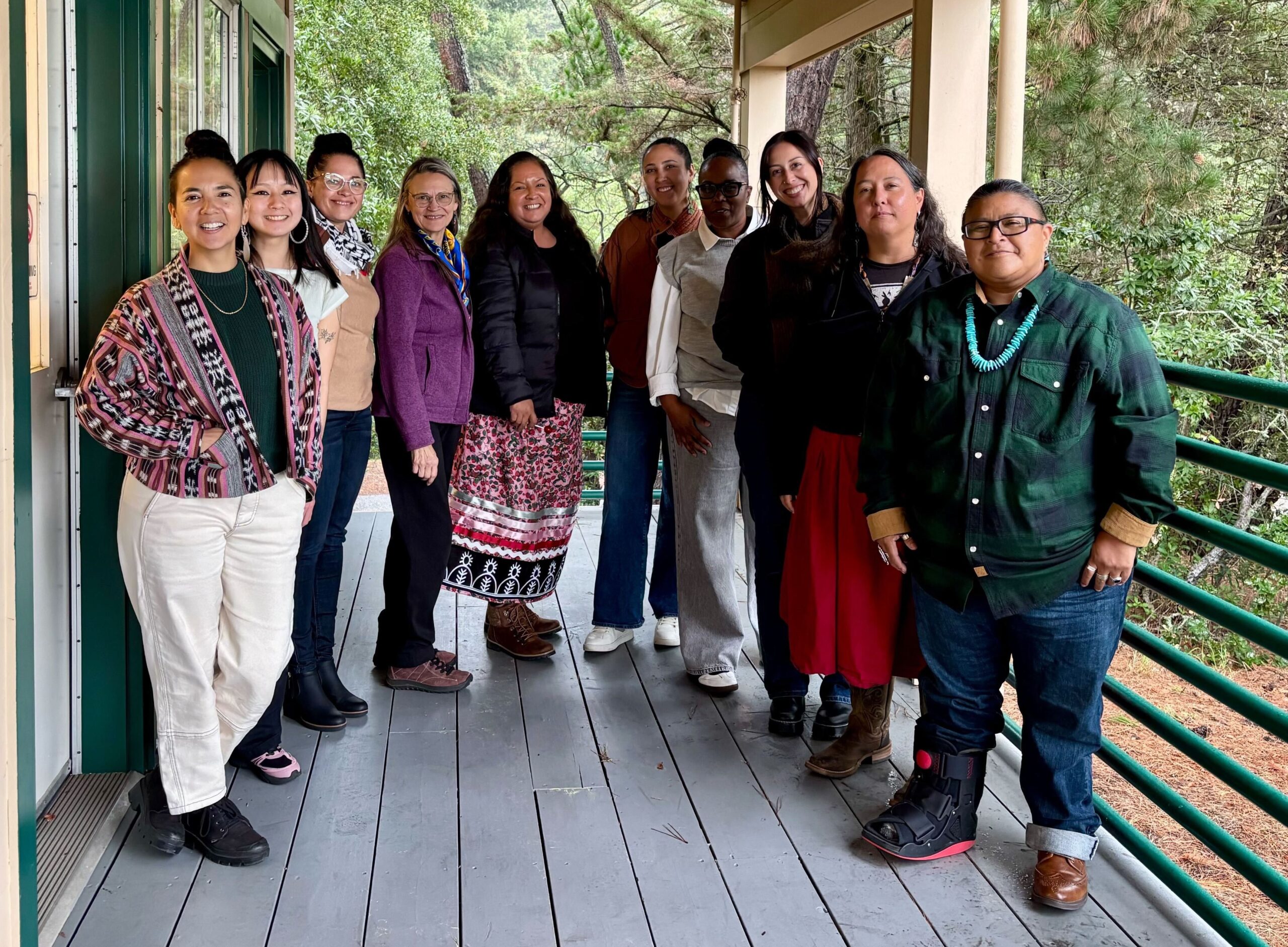
In 2024, three Magic Cabinet staff members participated in Native Voices Rising’s Funder Learning Fellowship, now known as the Good Relatives Fellowship, which transformed our thinking around building trust with Native communities. Specifically around the vital role Native intermediaries play in upholding Indigenous cultures and knowledge. The six-month fellowship ultimately equipped staff with the tools to begin advocating for intermediary partnership internally.
Shortly after the fellowship ended, we began meeting informally with NVR’s team to build the relationship. We spent the better part of a year in dialogue with NVR before our partnership started to take shape. This approach would set the tone for a longer-term collaboration built on authenticity, reciprocity, and care. In 2025, we announced a five-year, $7.5 million partnership to strengthen NVR’s internal capacity and support Native nonprofits more broadly.
Throughout our journey, we surfaced several key learnings that we would encourage any non-Native funders seeking to partner with Native communities to consider. We share these with the caveat that intermediary funding is not a substitute or shortcut for relationship-building and repair with Native communities. Non-native funders should commit to deepening relationships, practicing reciprocity, and evolving their practices with the guidance of Native communities.
- Move at the speed of trust. Our partnership with NVR wasn’t built in a day. It was developed over multiple years through generative conversations that held space for both our humanity and the work itself. Practicing patience and humility allowed us to build a partnership that’s relational, not transactional.
- Reciprocity is practice. A major part of our learning was recognizing that both MC and NVR had meaningful expertise to contribute in shaping the partnership. Leveraging those resources helped the partnership, as well as our individual organizations, to grow and thrive.
- Document the journey. As we started to formalize our partnership, we saw an opportunity to capture our process as a retrospective and also as a blueprint for other funders and intermediaries. Recording the learning process helps to build in accountability and shape the future of the work.
- Solidarity Matters. We weren’t the only ones undergoing a shift; NVR was also in the midst of transitioning to a fiscally-sponsored project. The announcement of our partnership was significant, as it signaled support for their organization during a period of uncertainty. Supporting partners at critical moments in their journey can signal confidence during periods of change.
- Unlearning is just as vital as learning. Several MC staff held and stewarded this work from the beginning, prompting our institutional shift away from old paradigms towards an intermediary model. By centering prioritizing relationships, forgoing urgency, and releasing our attachment to prescriptive approaches, we opened up new possibilities for all our partnerships.
- Power in the collective. As funders, we can invest in intermediaries, step back, and let them lead as they see fit. In reality, we actually get more out of the partnership when we commit to building the relationship alongside funding. Right sizing our role means getting clear on where we can redistribute power to help advance Native self-determination.
NVR has and continues to transform how we think about building relationships. Through our partnership, we’re still building trust with Native communities, just in a different way—one that requires listening, showing up with humility and trusting their wisdom.